
3·
1 year agoTechnically I suppose any sort of craft will count as “do it yourself” but c/DIY is more for home repair/fix it jobs than for artistic pieces. Id prefer something specifically more geared toward artistry

Previously Asa_the_red, that guy with the viking bit
Norse Pagan/Heathen
Twitter: @baleygrfadr Bluesky: @asa-the-red.bsky.social
Technically I suppose any sort of craft will count as “do it yourself” but c/DIY is more for home repair/fix it jobs than for artistic pieces. Id prefer something specifically more geared toward artistry
Thats not a bad idea. Even if they dont have the actual patterns themselves, if they have images of the belts or even the full costumes it would be enough for me to work backward from.
Im so happy with how it turned out lol. Figuring out a pattern by eye and then actually making it and having it work perfectly is such a satisfying process.
Thank you! Im super proud of it lol
Thanks! And yea c/art just feels like its for digital-art/paintings/etc, something like c/crafts for physical works would be nice
Thank you!
Thanks!
Thank you!
Yes to add onto what Sickos said, as you spin the cards the warp is threaded through, the threads spin around each other, and as you pass the weft through them it “locks” the twined threads into place. As they twist they make 45° lines which then line up with their neighbor threads on the rows before and after. You can make lines going straight in line with the warp by making them all the same color so the angle of the twist is not visible, but perpendicular lines are a bit trickier, so generally you’ll see a lot of 45° angular patterns, like zig zags, interconnected knots, diamonds that sort of thing. Generally you’ll have 4 threads per card, but you can do anything from 2 to 6 to get different types of pattern.
Heres a couple of diagrams showing how the twining works

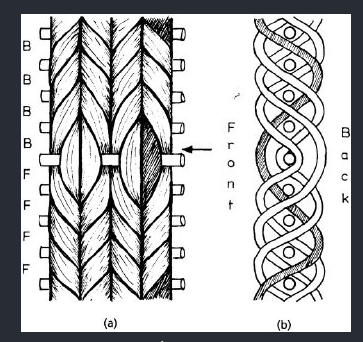
As the diagrams show, the thread in the uppermost hole that passes over the weft as you turn it will show up on top, and the direction you turn the card determines the direction the threads will twist. when you reverse the direction of the cards the thread that was on top will pass over again with the opposite spin, creating a small “float” that does not twist except at the top and bottom where it’s anchored by the weft.
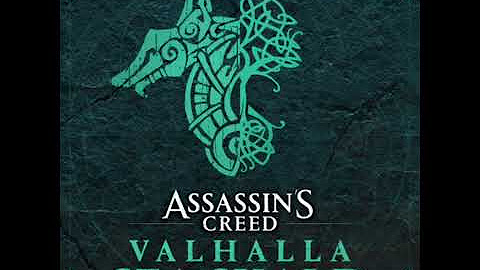
Oh that’s my odin poster from the Northman soundtrack vinyl.

Its based on the odin picturestone they use in the temple scene


A proposition that had literally no argument against it on the ballot. Every other prop got a for and against argument but no one bothered arguing against making slavery illegal and kkkalifornians still voted to keep it.
Right but this post was not about the liberal Capitalists but their idiot Dem voter lapdogs
Technically the quote “And where did that bring you? Back to me.” is a line Thanos says in Avenger’s Endgame. It became a larger meme that then birthed the chapo bit and you know the rest.
Also got my next draft set up. This one is crazy long. To even fit it onto 2 papers I had to combine blocks of 20 turns that all turn in one direction into 5 lanes of 4 turns

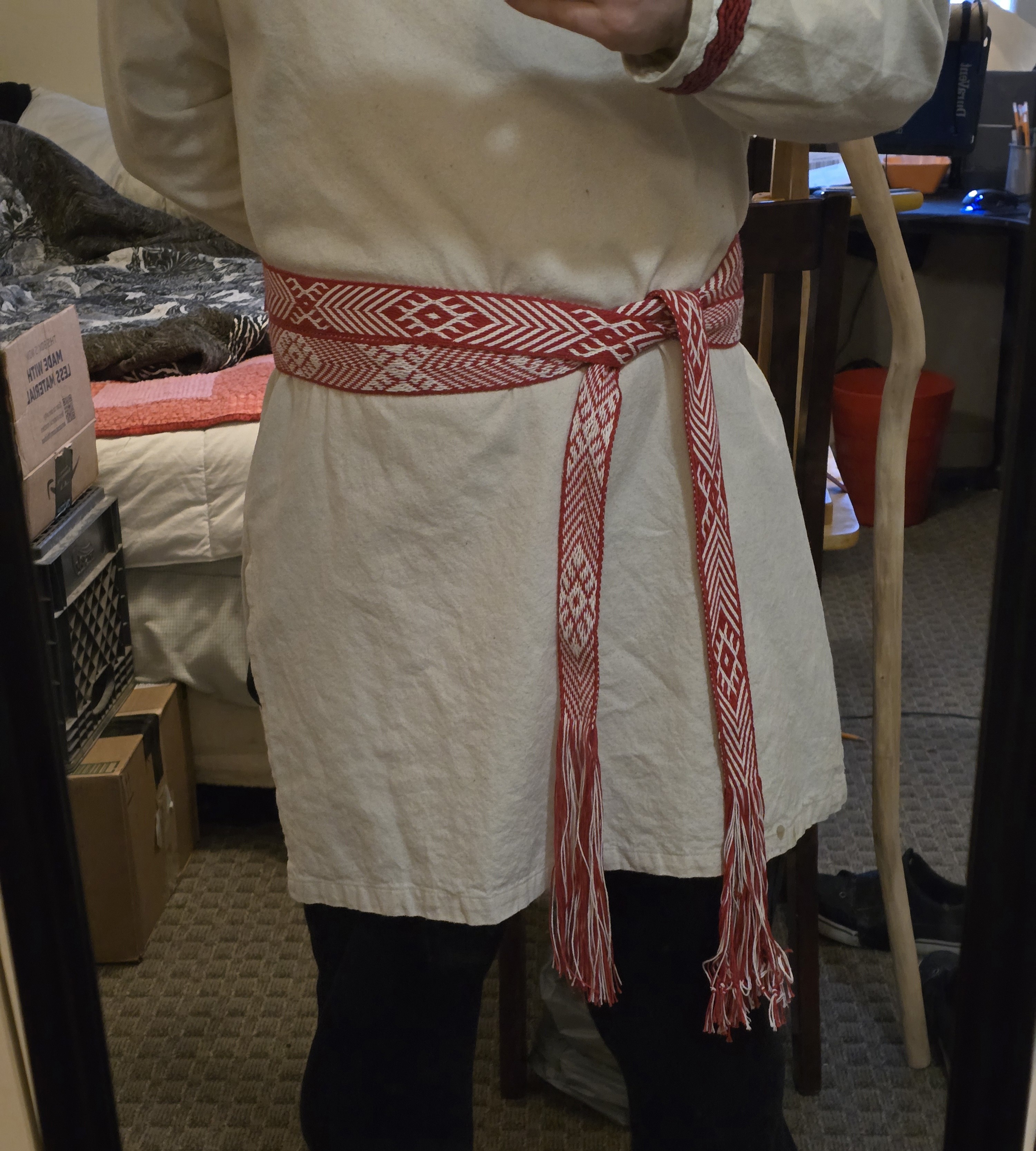
Its based off of this belt Amleth is wearing in the Northman when he’s disguised as a Rus slave. This was the best screenshot I could get of the belt and though there are several articles on the historical costuming they did for production there were no tablet weaves to look at closely or patterns. So I had to eye it from a few pixels lmao.


Heres what the pattern looks like on the draft. I think I got it, this should look close to the final belt, gonna have to make it super long to get it to wrap around a persons waist twice with some long tail ends like Amleth has in the screenshot.

Heres the draft itself: https://twistedthreads.org/pattern/sTarWyNKTB3M8RBq5
I made a real quick test strap to try out 3/1 twilling and man is that shit confusing. The smaller strap on top was my starting point, just a complete mess, but eventually I got it and started a new strap along the same warp anx it turned out great. Its a bit small, its only just fits around my head so its no belt, but it was good practice. and it was so small with only 10 cards that set up was way easier than normal. Started and finished it over the weekend which is the fastest Ive ever finished a project.

The back is also cool. You can see how the pattern reverses both in color and the direction the individual “blocks” of thread go, so the smooth 45° slopes become checkerboards that flow in the same direction as their front, but the triangles just flip color.


Itll be at least 1.5 meters long so itll probably be a belt. Everything I make is a belt, though I suppose you could cut one off early and sew it into a bracelet.
I am very pleasantly surprised lol. Its a bit of a complicated pattern so fucking up is easier but so far so good. I did seriously fuck up one time and I had to go in reverse to fix it yesterday which left a bit of a mess, but thats not visible in this pic.

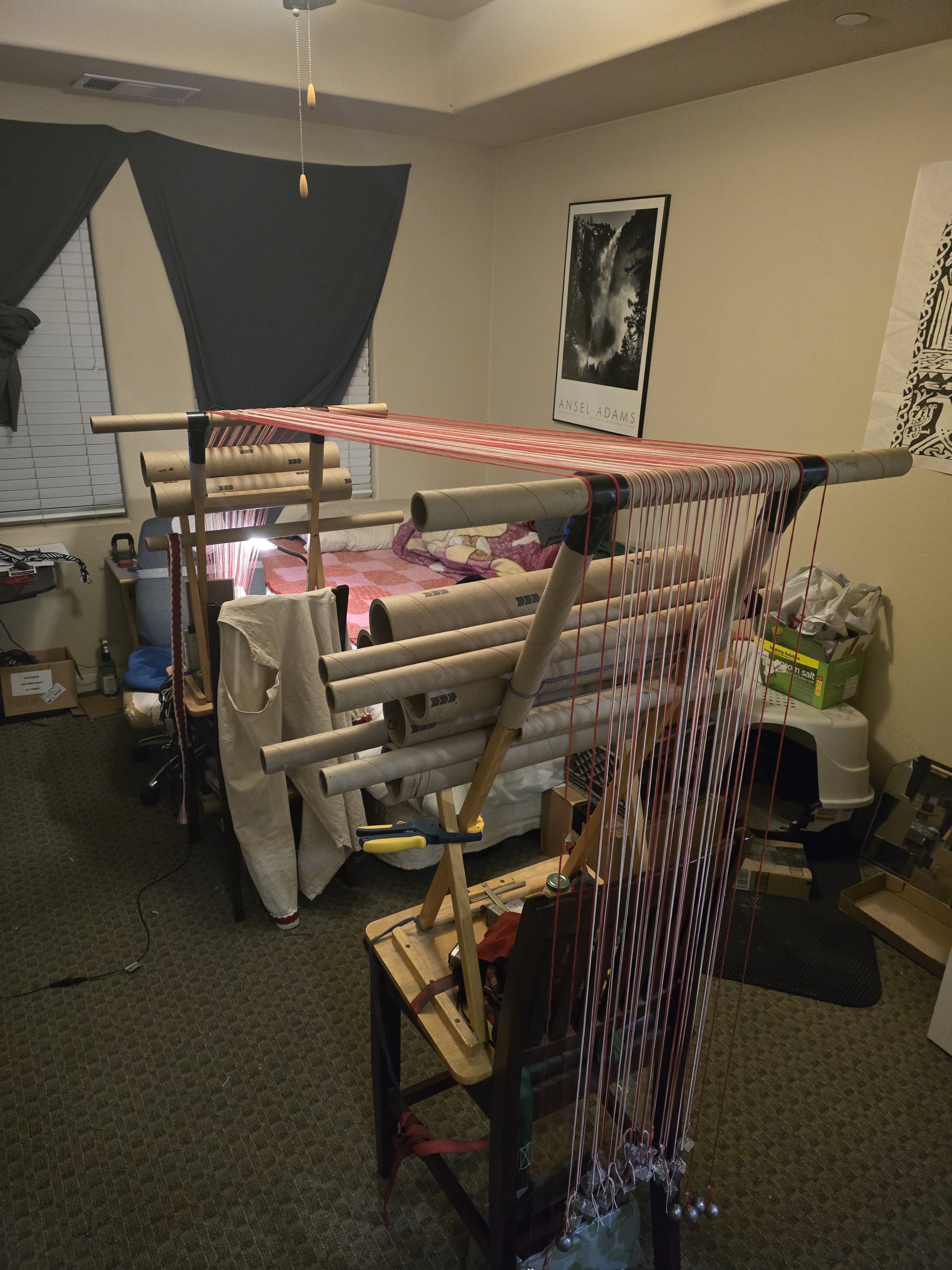










I really do wish we had a c/crafts or c/weaving or something. I suppose I could shove these into c/art but that community just feels like its got the wrong vibes. I might put some in c/paganism if I ever do a pattern with some religious significance. Ill try to remember to tag you when I post them in the mega tho.